
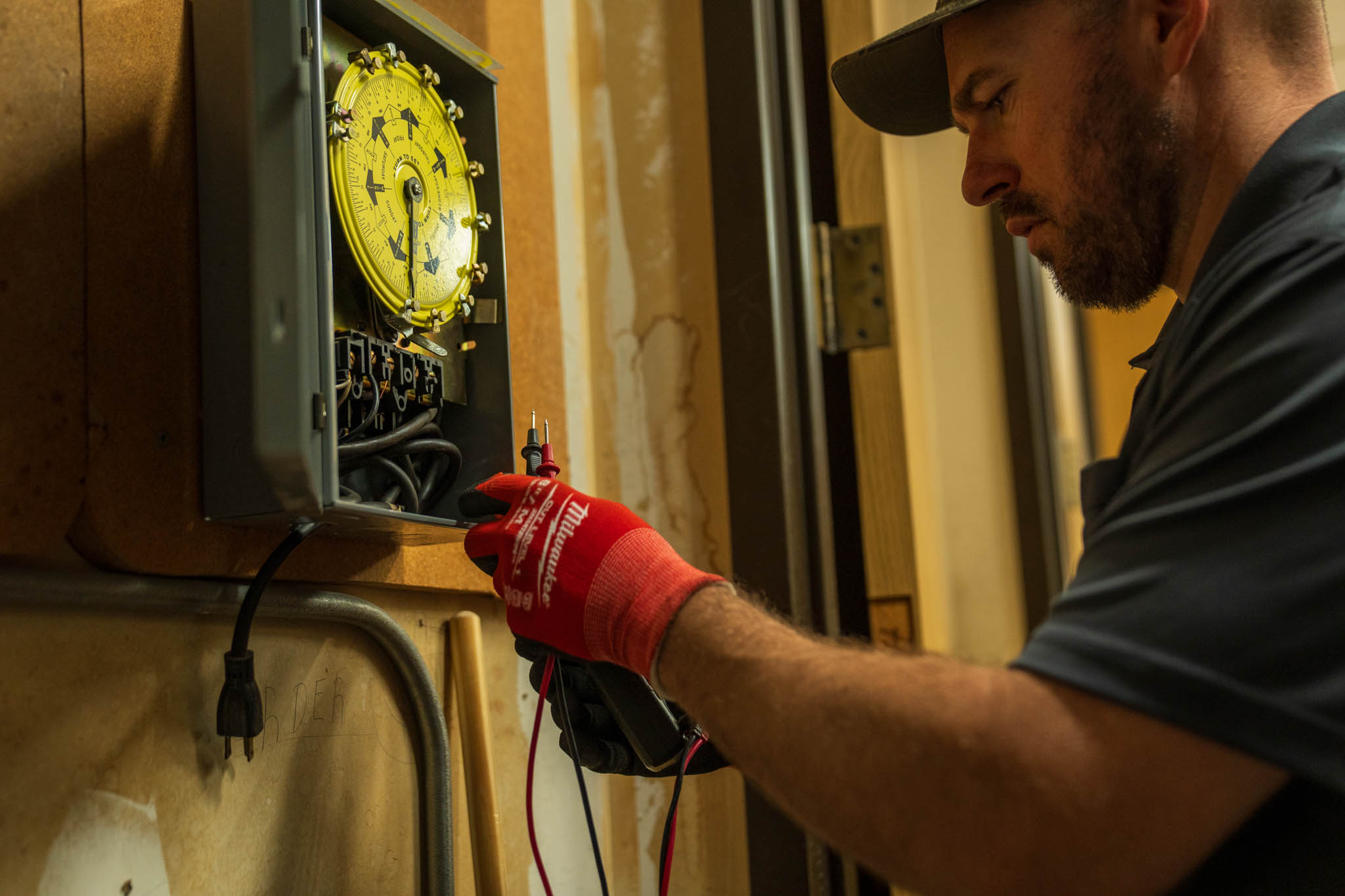
Smart home technology is revolutionizing how we interact with our living spaces, offering unprecedented convenience, security, and energy efficiency. However, successful smart home installation requires careful planning to ensure all systems work together seamlessly. Whether you're building new or upgrading an existing home, proper planning is essential for creating a connected home that truly enhances your lifestyle.
Understanding Smart Home Technology
Smart home systems integrate various devices and appliances through a central hub or network, allowing you to control them remotely via smartphone apps, voice commands, or automated schedules. The key components typically include:
- Smart lighting: Automated and remotely controllable lighting systems
- Climate control: Smart thermostats and HVAC integration
- Security systems: Smart locks, cameras, and monitoring
- Entertainment: Integrated audio and video systems
- Energy management: Smart outlets, switches, and monitoring
The Benefits of Smart Home Installation
Modern smart home technology offers numerous advantages:
Convenience: Control your entire home from anywhere with your smartphone or voice commands Energy efficiency: Automated systems optimize energy usage, reducing utility bills Security: Enhanced monitoring and control of home security systems Comfort: Automated climate and lighting that adapts to your preferences Accessibility: Voice control and automation help those with mobility challenges Property value: Smart home features increase home resale value
Planning Your Smart Home Installation
Successful smart home installation begins with comprehensive planning:
1. Assess Your Current Infrastructure
Before adding smart devices, evaluate your home's electrical and network infrastructure:
- Electrical capacity: Ensure your panel can handle additional smart devices
- WiFi coverage: Strong, reliable internet throughout your home
- Wiring requirements: Some smart devices require specific wiring
- Network security: Secure network to protect your smart home systems
2. Define Your Priorities
Not every smart home feature is right for every homeowner. Consider:
- Primary goals: Security, energy savings, convenience, or entertainment
- Budget constraints: Smart home technology ranges from basic to luxury
- Technical comfort: Your comfort level with technology and maintenance
- Future needs: Plan for expansion and technology updates
3. Choose Your Ecosystem
Smart home devices work best when they're part of a cohesive ecosystem:
- Apple HomeKit: Seamless integration with Apple devices
- Google Home: Works well with Android and Google services
- Amazon Alexa: Extensive device compatibility and voice control
- SmartThings: Flexible platform for custom configurations
Essential Smart Home Components
Smart Lighting Systems
Smart lighting provides the foundation for most smart home installations:
- Smart switches: Replace traditional switches with WiFi-enabled controls
- Smart bulbs: Individual bulbs with color and brightness control
- Motion sensors: Automated lighting based on occupancy
- Dimmers: Smooth brightness control and energy savings
Climate Control Integration
Smart thermostats offer significant energy savings and comfort improvements:
- Learning thermostats: Adapt to your schedule and preferences
- Zone control: Different temperatures for different areas
- Remote access: Control temperature from anywhere
- Energy monitoring: Track and optimize energy usage
Security and Monitoring
Smart security systems provide peace of mind:
- Smart locks: Keyless entry with remote access
- Security cameras: Remote monitoring and recording
- Motion sensors: Automated alerts and responses
- Door and window sensors: Comprehensive security coverage
Professional Installation Considerations
While some smart home devices are designed for DIY installation, professional installation offers significant advantages:
Electrical Safety
Many smart home components require electrical work:
- Smart switches: Require proper electrical installation
- Hardwired devices: Need professional electrical connections
- Panel upgrades: May require electrical panel modifications
- Code compliance: Ensure all installations meet electrical codes
System Integration
Professional installation ensures proper integration:
- Network setup: Optimal WiFi coverage and security
- Device configuration: Proper setup and testing of all components
- Troubleshooting: Professional support when issues arise
- Warranty protection: Professional installation often includes better warranties
Budget Planning for Smart Home Installation
Smart home technology costs vary significantly based on scope and quality:
Basic Smart Home Package
- Smart lighting for main areas: $500-1,500
- Smart thermostat: $200-400
- Basic security system: $300-800
- Professional installation: $500-1,000
Comprehensive Smart Home System
- Whole-home smart lighting: $2,000-5,000
- Advanced climate control: $800-2,000
- Complete security system: $1,500-4,000
- Entertainment integration: $1,000-3,000
- Professional installation: $2,000-5,000
Future-Proofing Your Smart Home
Technology evolves rapidly, so plan for the future:
- Scalable systems: Choose platforms that support expansion
- Standard protocols: Look for devices using established standards
- Regular updates: Plan for software and firmware updates
- Professional support: Ongoing maintenance and support services
Common Smart Home Installation Mistakes
Avoid these common pitfalls:
- Incompatible systems: Mixing devices from different ecosystems
- Poor network planning: Insufficient WiFi coverage
- DIY electrical work: Attempting electrical work without proper training
- Overcomplicating: Starting with too many devices at once
- Ignoring security: Not securing your smart home network
When to Call a Professional
Professional smart home installation is recommended when:
- Electrical work required: Smart switches, hardwired devices, or panel upgrades
- Complex integration: Multiple systems working together
- Network setup: Ensuring reliable connectivity throughout your home
- Security concerns: Proper installation of security systems
- Warranty protection: Professional installation often includes better warranties
Choosing the Right Smart Home Installer
Look for installers with:
- Electrical licensing: Proper credentials for electrical work
- Smart home experience: Specific expertise in smart home technology
- Integration knowledge: Understanding of different smart home platforms
- Ongoing support: Maintenance and troubleshooting services
- Warranty coverage: Stand behind their installation work
The Future of Smart Homes
Smart home technology continues to evolve rapidly:
- AI integration: More intelligent automation and learning
- Energy management: Advanced energy monitoring and optimization
- Health monitoring: Integration with health and wellness devices
- Voice control: More natural and intuitive voice interactions
- Security advances: Enhanced protection and monitoring capabilities
Getting Started with Smart Home Installation
Ready to transform your home with smart technology? Start with:
- Assessment: Evaluate your current home and electrical system
- Planning: Define your goals and priorities
- Budget: Determine your investment level
- Professional consultation: Get expert advice on your specific needs
- Phased approach: Start with essential systems and expand over time
Smart home installation is an investment in your home's future. With proper planning and professional installation, you'll enjoy years of convenience, security, and energy efficiency. Contact Trinitas All Electric to discuss your smart home goals and create a plan that transforms your living space into a connected, intelligent home.