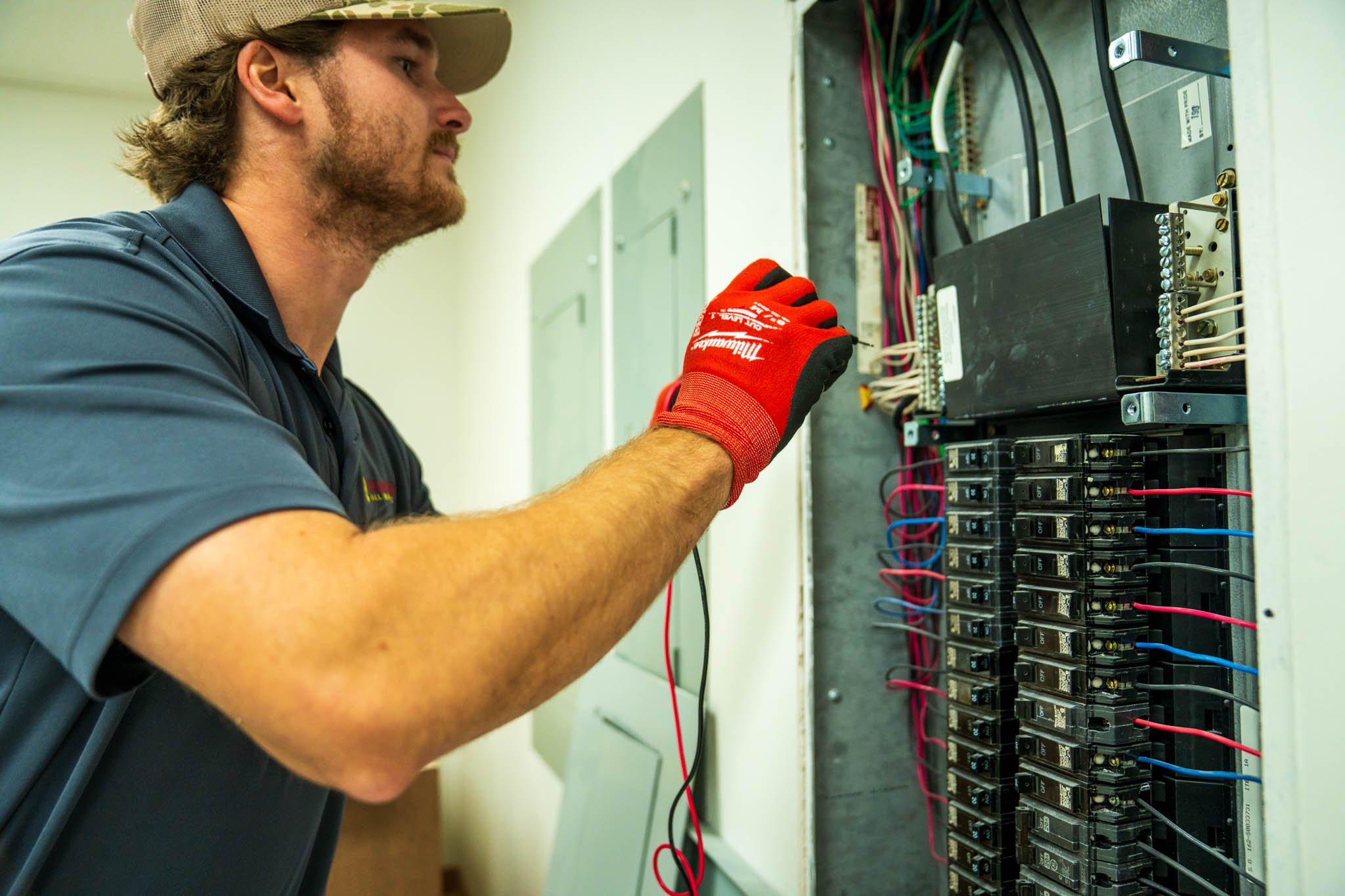
Your electrical panel is the heart of your home's electrical system, distributing power safely throughout your property. However, many homeowners don't realize their electrical panel is outdated or overloaded until problems become serious. Recognizing the warning signs early can prevent electrical fires, equipment damage, and costly emergency repairs.
1. Frequent Circuit Breaker Trips
One of the most obvious signs of an overloaded electrical panel is frequent breaker trips. While occasional trips are normal, if you're constantly resetting breakers or they trip immediately after resetting, your panel may be struggling to handle your home's electrical demands.
What to look for:
- Breakers that trip multiple times per week
- Trips that occur when using normal appliances
- Breakers that won't stay in the "on" position
- Multiple breakers tripping simultaneously
Why this happens: Older panels weren't designed for today's electrical loads. Modern homes use significantly more electricity than homes built 30+ years ago.
2. Flickering or Dimming Lights
If your lights flicker when you turn on appliances or dim when the air conditioner starts, your electrical panel may not be providing stable power distribution. This is especially concerning if it happens throughout your home, not just in one room.
What to look for:
- Lights that dim when major appliances start
- Flickering that affects multiple rooms
- Lights that brighten and dim randomly
- Computer or TV screens that flicker
Why this happens: Insufficient electrical capacity causes voltage drops when high-demand appliances start, affecting all connected devices.
3. Burning Smell or Discoloration
Any burning smell or visible damage around your electrical panel is a serious safety concern that requires immediate attention. This could indicate overheating, loose connections, or failing components.
What to look for:
- Burning or melting plastic smell near the panel
- Discolored or charred areas on the panel
- Melted insulation on wires
- Hot spots on the panel surface
Why this happens: Overloaded circuits, loose connections, or failing breakers can generate excessive heat, potentially causing fires.
4. Outdated Panel Technology
Electrical panels have evolved significantly over the decades. Older panels may lack modern safety features and may not meet current electrical codes.
Signs of outdated panels:
- Fuse boxes instead of circuit breakers: Fuses are outdated and less safe
- Federal Pacific or Zinsco panels: Known to have safety issues
- Panels older than 20-25 years: May not meet current safety standards
- Missing GFCI protection: Modern codes require ground fault protection
Why this matters: Outdated panels lack modern safety features and may not trip properly during electrical faults, creating fire and shock hazards.
5. Insufficient Electrical Capacity
Modern homes require significantly more electrical capacity than older homes. If you're planning to add major appliances, EV chargers, or home additions, your current panel may not be adequate.
Capacity indicators:
- 100-amp service in a modern home: Most new homes need 200+ amps
- No available breaker spaces: Can't add new circuits
- Planning major electrical additions: EV chargers, hot tubs, home additions
- Multiple high-demand appliances: Electric heating, large air conditioners, pool equipment
Why this matters: Insufficient capacity can cause frequent trips, damage to appliances, and safety hazards.
The Dangers of Delaying Panel Upgrades
Ignoring these warning signs can lead to serious consequences:
- Electrical fires: Overloaded circuits are a leading cause of house fires
- Equipment damage: Unstable power can damage expensive appliances and electronics
- Safety hazards: Outdated panels may not provide proper protection
- Code violations: May affect insurance coverage and home sales
- Emergency costs: Emergency electrical work is significantly more expensive than planned upgrades
What a Professional Panel Upgrade Involves
A qualified electrician will:
- Assess your current system: Evaluate capacity, safety, and code compliance
- Plan the upgrade: Determine the right panel size and breaker configuration
- Handle permits: Manage all necessary paperwork and inspections
- Install safely: Ensure proper grounding, bonding, and safety features
- Test thoroughly: Verify all circuits work correctly and safely
- Provide documentation: Give you records for insurance and future reference
When to Call a Professional
Don't wait for problems to become emergencies. Contact a licensed electrician if you notice:
- Any of the warning signs mentioned above
- Planning to add major electrical loads
- Buying a home with an older electrical system
- Experiencing unexplained electrical problems
Choosing the Right Electrician
Panel upgrades are complex, dangerous work that requires:
- Licensed and insured: Proper credentials and protection
- Experience with panel upgrades: Specific expertise in electrical panel work
- Code knowledge: Understanding of current electrical codes
- Permit handling: Ability to manage all necessary paperwork
- Warranty support: Stand behind their work with proper guarantees
The Investment in Safety
While electrical panel upgrades require a significant investment, they provide:
- Enhanced safety: Modern safety features and proper protection
- Increased capacity: Support for modern electrical demands
- Code compliance: Meet current safety standards
- Peace of mind: Know your electrical system is safe and reliable
- Home value: Modern electrical systems increase property value
Don't Wait for Disaster
Electrical problems rarely improve on their own. The warning signs are there for a reason – your electrical panel is struggling to meet your home's demands. Addressing these issues proactively prevents costly emergencies and protects your family's safety.
If you're experiencing any of these warning signs, don't delay. Contact Trinitas All Electric for a professional assessment of your electrical panel. We'll help you understand your options and ensure your electrical system is safe, reliable, and ready for modern electrical demands.