
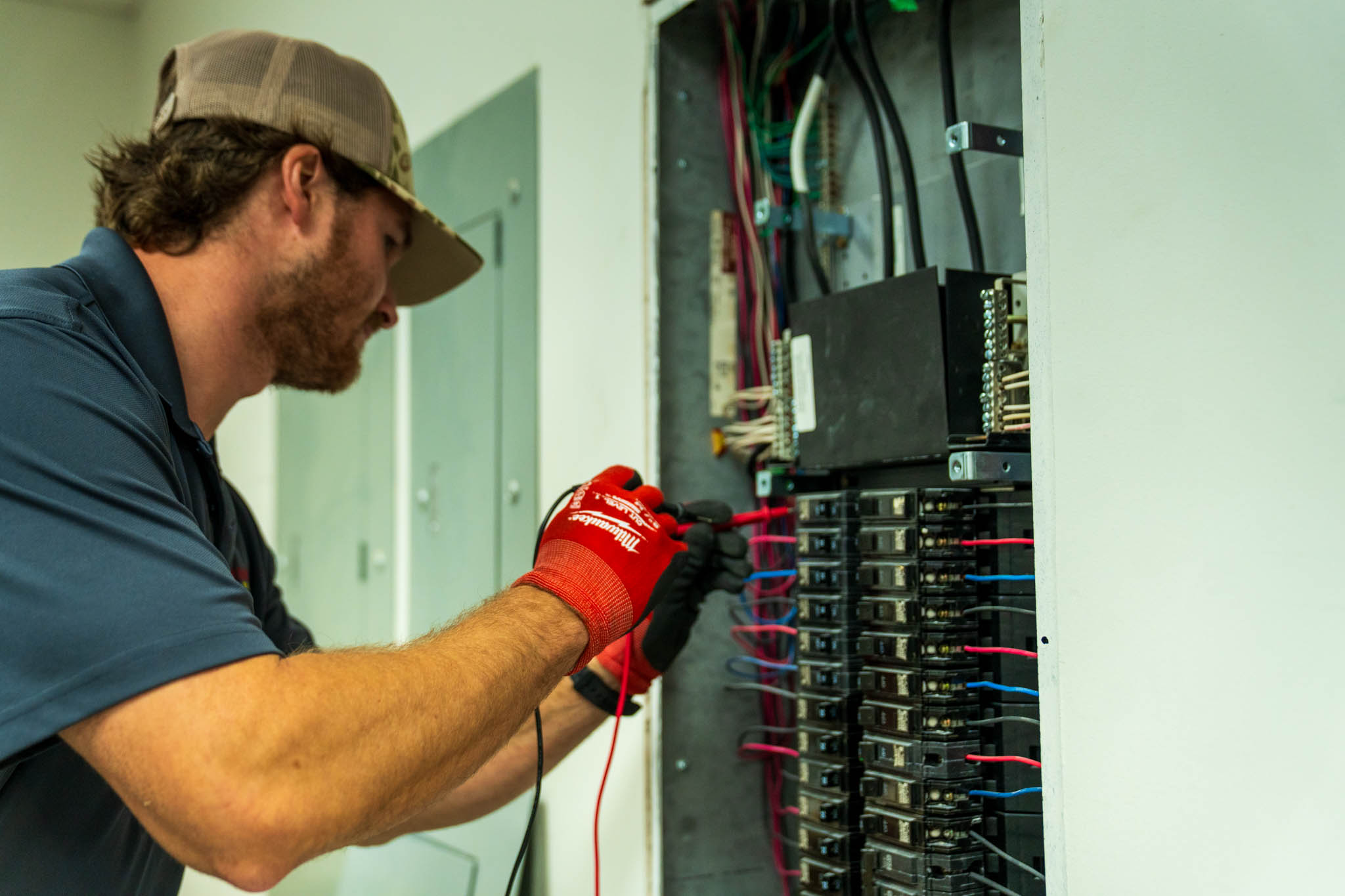
A circuit breaker is a vitally important feature to every home. It can prevent electrical fires, protect you and your family from sudden shocks, and protect your home appliances and wiring from harmful damages. There's no doubt that every home needs a circuit breaker, but what does it mean when your circuit breaker keeps tripping? And what can you do about it?
What it Means: Common Breaker Trip Causes
Circuit breaker keeps tripping? Breaker trips are the way your breaker protects your home, but too many can also be a bad thing. Occasional trips are normal, and show that your breaker is functioning properly, but if your circuit breaker keeps tripping too often, it can be a sign that something is wrong. But what can cause a breaker trip?
1. Overloaded Circuit
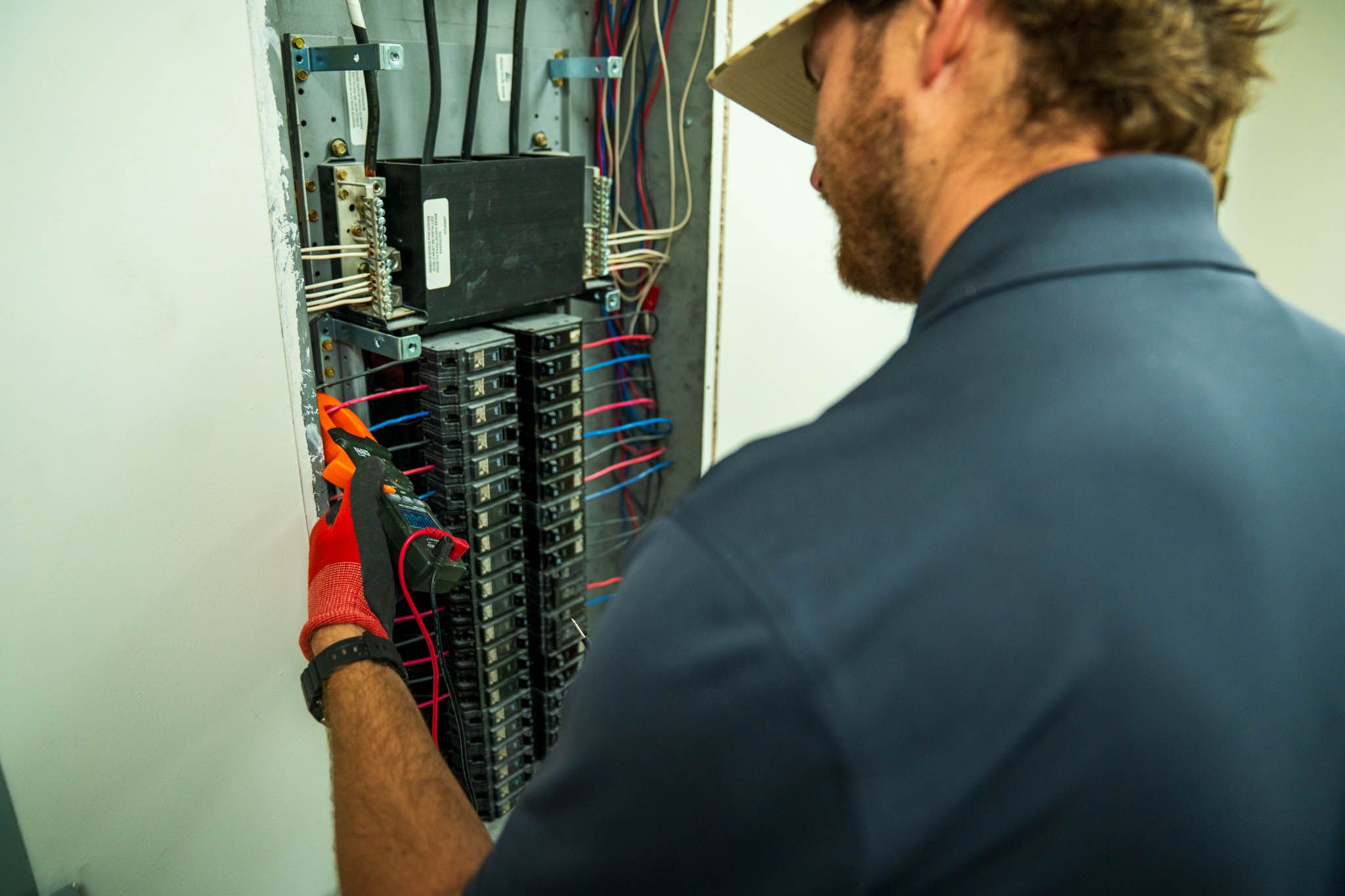
An overloaded circuit breaker is one of the most common reasons for frequent tripping. When too much electricity is drawn through a circuit—exceeding its capacity—your circuit overloads and will cut the power. An overloaded circuit can be caused by a few different things:
- Plugging in too many high-powered devices than the breaker can handle (e.g. AC units, heaters, etc.)
- Sudden power surges, like during big storms
- Adding more electronic systems without upgrading your electrical system to match the need (ex. Smart home systems, devices, etc.)
- More severe or dangerous causes can include damaged/outdated wiring, or a bad breaker.
2. Short Circuit
A breaker short circuiting is a serious and dangerous issue. A short circuit occurs when a hot wire touches another hot wire or a neutral one, which creates a massive current surge. This can be a sign of multiple dangers, as it's a fire hazard and shock hazard. Some causes include:
- Damaged or outdated wiring—especially over 20-30 years old.
- Loose connections or faulty connections (loose wiring can occur at connection points like outlets, switches, etc.)
- Incorrectly installed wiring (e.g. wires were too close together)
- Other faulty components: old or broken outlets, electrical device failures, etc.
3. Ground Fault
A ground fault occurs when a hot wire touches a grounded surface, such as ground wire or metal appliance. This is a serious and dangerous electrical problem, as it's a fire and electric shock hazard. It can be caused by a few different things:
- Damaged wiring/appliances
- Improper wiring or improper installation
- Loose connections
- Water and moisture (leaks into electrical conduits create an easy path to ground)
4. Bad Wiring and Appliances
Bad wiring is another common cause of breaker trips, and can be extremely dangerous (another shock and fire hazard). Damaged or old appliances can also cause a breaker trip. Some causes include:
- Loose connections
- Damaged or improper insulation
- Circuit overloading
- Corrosion
- Wear and tear (especially in older homes with outdated electrical systems)
5. Bad Circuit
Finally, another common but serious cause of breaker tripping is a bad circuit breaker. This is a dangerous problem, as a faulty breaker means your home's electrical system isn't properly protected. Which can lead to electrical shock and electrical fires.
Signs Your Circuit Breaker is Bad
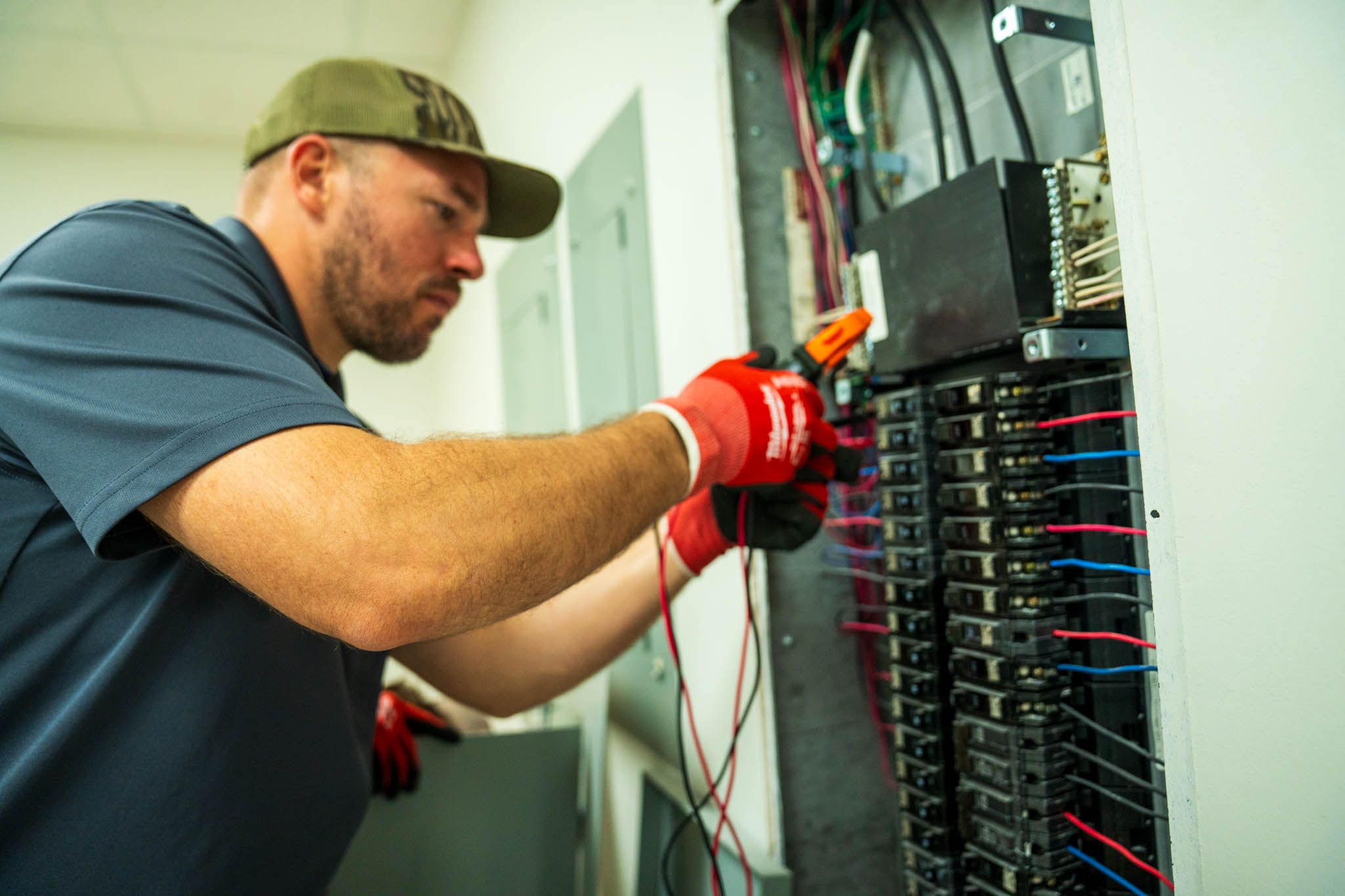
So how can you tell if your circuit breaker is bad? A bad breaker needs to be dealt with immediately. But being able to safely identify is important. Luckily, there are many signs you can look for to see if your breaker is bad:
- Frequent tripping (if a breaker trips too easily/too often without a clear overload)
- Reset failure (e.g. The switch feels loose/mushy, or if switches turn back to "off" immediately)
- Visible signs (e.g. burn marks, melting, discoloration on the breaker or electrical panel)
- Hot breaker or burning smells (breaker feels hot to the touch, or a distinct burning smell can mean overheating)
- Strange noises (e.g. Electric popping, crackling, buzzing, etc.)
- Flickering lights or appliances
- Electrical outlet issues (e.g. Dead outlet, hot outlet, loose outlet, etc.)
- Finally, a hazardous sign of a bad breaker, is a breaker that fails to trip in a real fault (it leaves the circuit live)
What to Do When a Breaker Keeps Tripping
So what do you do when your breaker keeps tripping? A key step can be to troubleshoot your breaker. Here's how to troubleshoot your breaker:
- Turn it off—flip the switch to the "Off" position
- Unplug all lights, devices, and appliances
- Reset the breaker—flip switch firmly back to "On" position
- If it stays on, test for overload: start plugging in and turning on devices one at a time:
- If the last device plugged in trips the breaker, it's faulty and should be replaced
- If it doesn't trip, then you may have an overloaded circuit. Try moving some devices to different circuits or get an updated circuit system
- If the breaker trips immediately after its reset (with nothing plugged in), then there may be a short circuit or wiring fault)
When to Call a Professional
But when do you need professional help? Some signs may require urgent (but not emergency) attention from an electrician, while others require immediate, emergency attention.
Emergency Signs
Signs that need immediate attention include:
- Burning smells, hot outlets, hot electrical panels
- Electrical buzzing sounds, sizzling, visual sparks
- When your breaker trips instantly after resetting it (see troubleshooting steps)
- Visible damage like burn marks on outlets, wires, or electrical panels.
Urgent Signs
Signs that are still serious, but aren't considered an emergency include:
- Frequent tripping (especially if persistent after troubleshooting)
- Flickering/dimming lights (especially after turning on appliances)
- Old/outdated wiring (especially in homes over 20-30 years old)
- Multiple breakers tripping
- GFCI outlet tripping (in kitchens, bathrooms, etc.)
Don't Wait for the Worst Possibilities
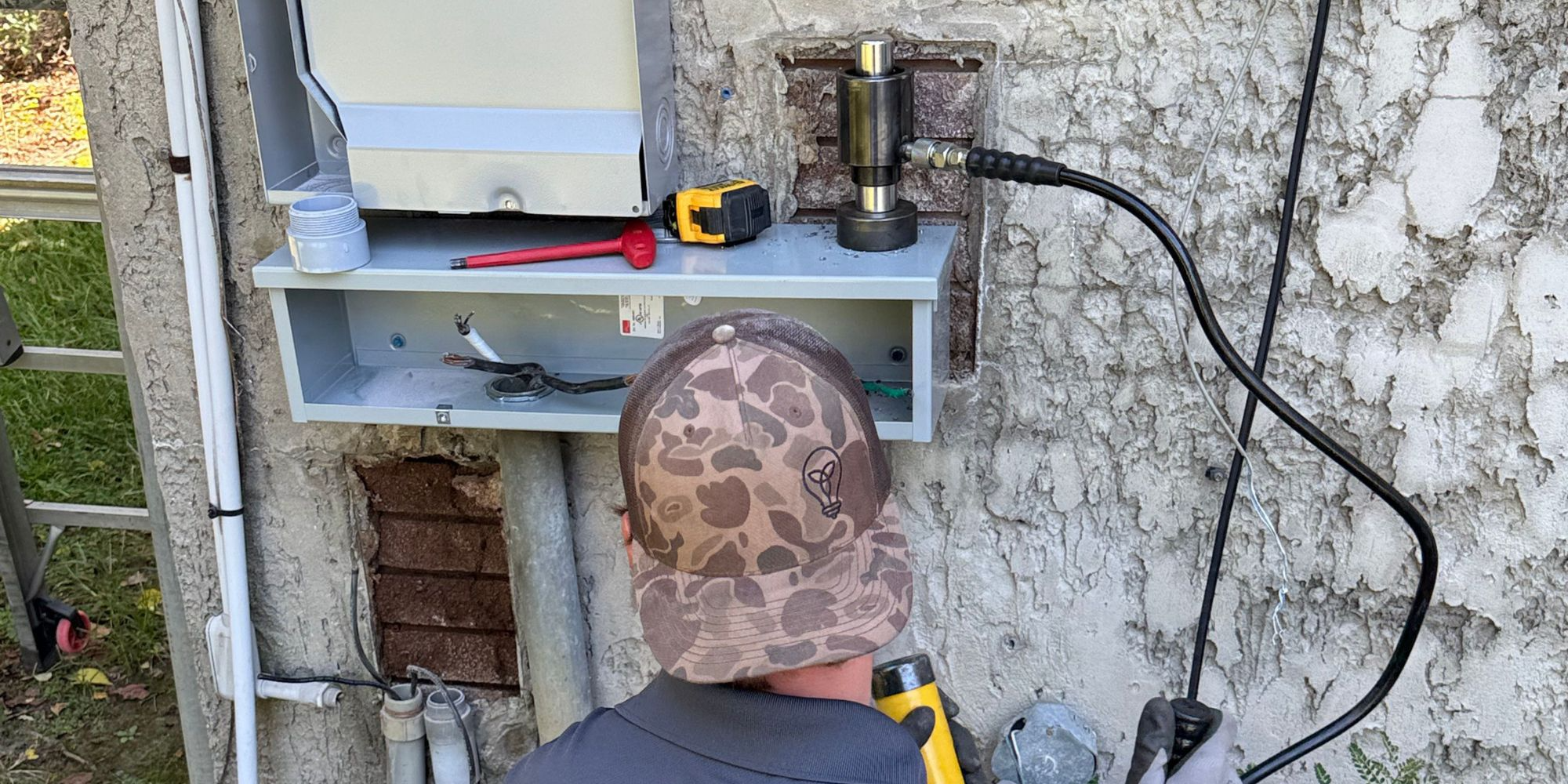
Still, it's better to be safe than sorry–especially in electrical work. Even if you don't think you have a bad breaker, or the signs aren't considered an emergency, you shouldn't wait to address electrical issues. Call a professional electrician for help if you find signs of any electrical issues. These signs can show many different things—from a bad breaker to the need for a new updated system.
If you're experiencing any of these signs, don't hesitate—contact Trinitas All Electric for a professional assessment and assistance. At Trinitas All Electric, we're prepared to help you with all your electrical needs. We'll help you understand why your breaker keeps tripping, what it means, and how to fix it.